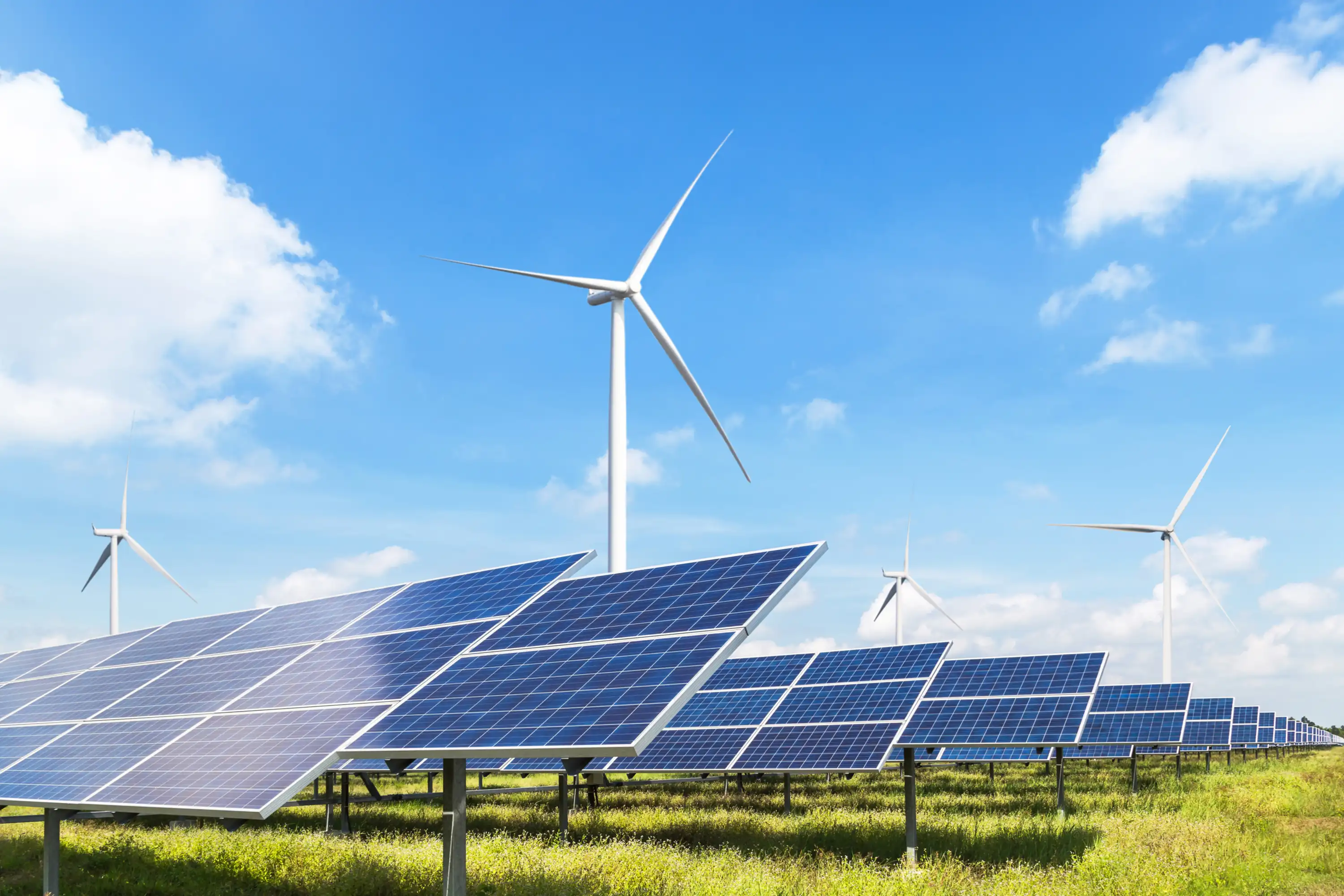
In 2026, global investment in clean energy reached $2.2 trillion, according to the International Energy Agency's World Energy Investment 2026 report. That's more than double the $1.1 trillion that went into oil, gas, and coal combined. This is a signal of where industrial strategy, energy security, and economic competition are moving, and it's creating engineering demand at a scale the sector has never seen.
A Multidisciplinary Field, Not a Solar-Panel Specialization
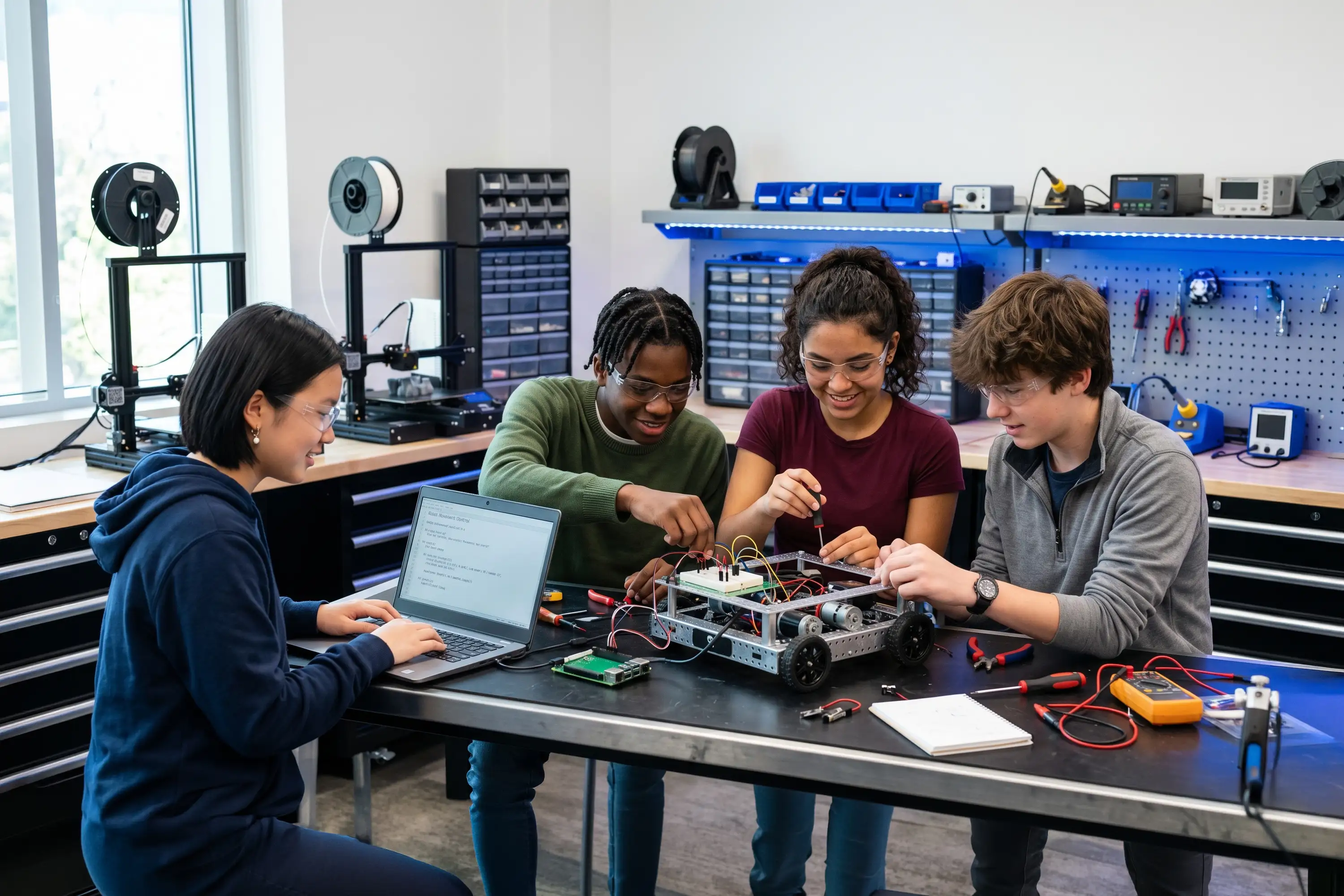
Renewable Energy Engineering isn't a specialization built around solar panels and wind farms. It's a multidisciplinary field where electrical engineers, mechanical engineers, data analysts, automation specialists, and project managers design, build, and optimize the energy systems powering modern economies.
The International Renewable Energy Agency estimates 16.6 million people worked in renewable energy globally in 2024. That workforce spans power systems, grid integration, energy storage, smart grids, green hydrogen, offshore wind, and AI-driven energy management, each a distinct engineering discipline with its own technical depth.
The Roles
- Power Systems Engineers and Grid Integration Specialists ensure clean energy reaches the grid reliably.
- Energy Storage Engineers and Green Hydrogen Engineers develop the technologies that make variable energy sources dependable at industrial scale.
- Smart Grid Engineers and Energy Analysts manage energy flows across cities and industrial zones.
- Project Managers and Sustainability Engineers connect technical work to investment timelines and deployment.
These roles sit inside energy companies, automotive firms, aerospace, smart city infrastructure, and industrial manufacturing alike.
The Numbers Behind the Growth
Global offshore wind capacity reached 92.5 gigawatts by the end of 2025 and is projected to grow at a compound annual rate of 24% through 2030, according to the Global Wind Energy Council. The AI in energy market is expected to grow from $15.23 billion in 2025 to $93.29 billion by 2035. Green hydrogen is expanding at 34% annually, according to Precedence Research.
The skills built in this field travel across industries, because clean energy systems, grid optimization, and power distribution are now infrastructure problems, not just energy problems.
Where to Study It
For students evaluating destinations, the strongest options are those with active large-scale energy projects. The United Kingdom leads global offshore wind at 15.6 gigawatts installed, with Imperial College London and the University of Edinburgh running industry-partnered research programmes. Germany, the Netherlands, and Denmark are home to Siemens Energy, Vestas, and Ørsted, with TU Delft and DTU placing graduates directly into those supply chains. Canada and Australia offer strong renewable engineering programmes tied to active domestic energy transitions.
Academic routes include Renewable Energy Engineering, Electrical Engineering, Power Systems Engineering, Sustainable Energy Systems, and Mechatronics.
What It Pays
Average salaries for Renewable Energy Engineers in the United States sit between $90,000 and $145,000 annually, according to Glassdoor and ZipRecruiter data from early 2026. A student doesn't need to be motivated by environmental activism to build a long career here. Interest in engineering systems, infrastructure, automation, and complex problem-solving is the more durable foundation.
India's Stake in This
India alone requires $350 billion in clean energy investment to meet its 500 GW target by 2030, according to the Ministry of New and Renewable Energy, and achieved its 50% non-fossil capacity milestone in July 2025, five years ahead of schedule.
Students who approach Renewable Energy Engineering as a rigorous technical career, rather than an environmental cause, are the ones best positioned to benefit from one of the largest infrastructure build-outs of the coming decade.
If This Field Is on Your Radar
...where you study will shape which supply chains and research programmes you actually have access to. That's exactly what our events are for: real conversations with university reps and current students about which programmes connect to real industry partnerships, not just a course list. See what's coming up.