Sports Science has evolved into a multidisciplinary, research-driven field that extends far beyond its traditional association with physical education or coaching. Today, it sits at the intersection of healthcare, data analytics, psychology, and human performance — making it one of the more specialized and globally relevant career domains, evolving alongside a global sports industry valued at over $500 billion.
Countries like the United Kingdom, Australia, and Germany are leading this shift — not just through sports infrastructure, but by embedding Sports Science into hospitals, research ecosystems, and corporate environments.
What Sports Science Actually Looks Like Today
Sports Science is not a single career path. It's a collection of specialized roles, each with a clear connection between skills and career outcomes.
Exercise Physiology
Focuses on how the body responds to physical activity. Professionals in this area work on metabolic testing, rehabilitation protocols, and preventive healthcare. Exercise physiologists, for example, are actively involved in cardiac recovery programs within systems like the National Health Service.
Biomechanics
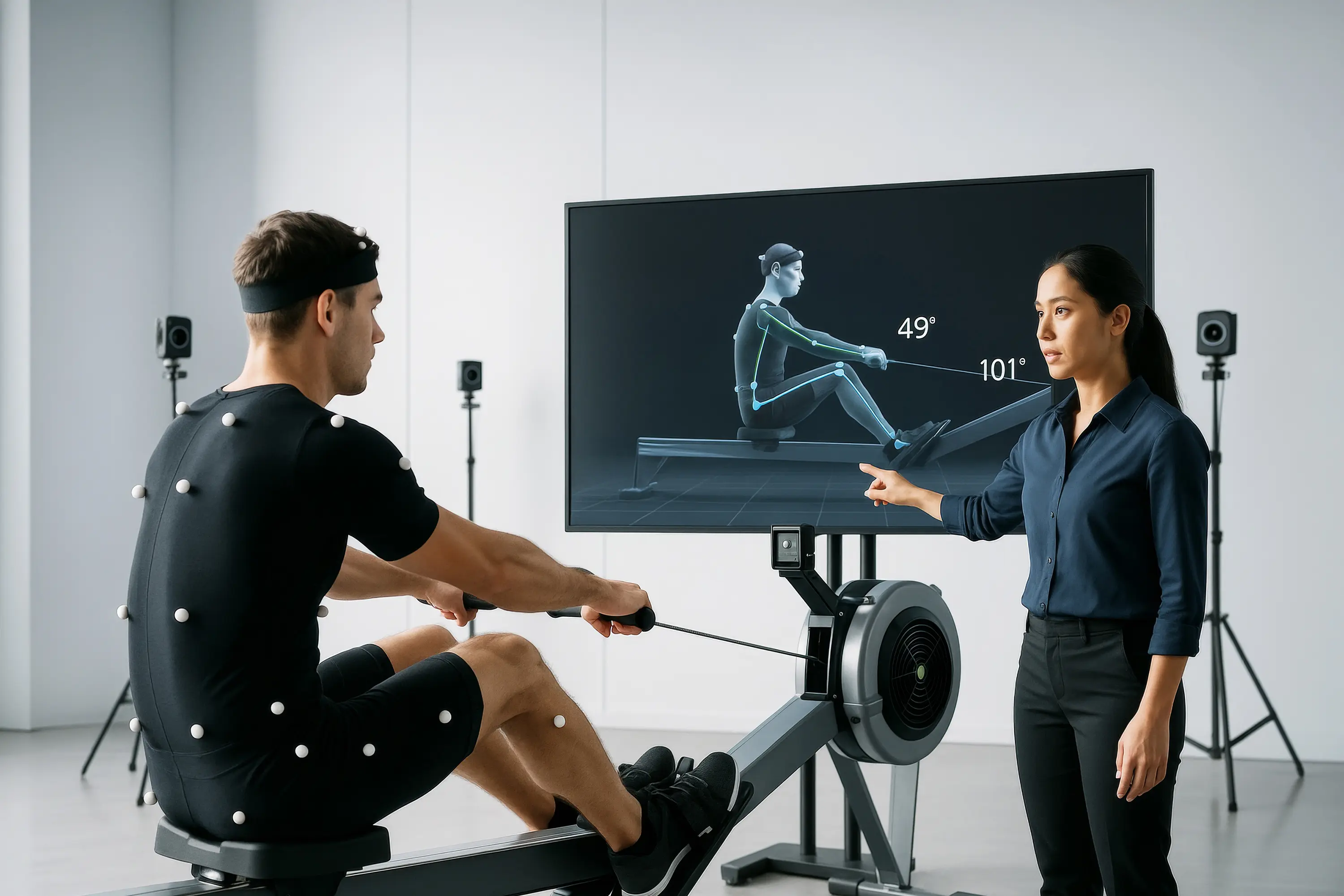
Deals with movement efficiency and injury prevention, including motion analysis, performance optimization of athletes, and data interpretation. Specialists in this field contribute to innovation teams at companies like Nike, where movement data directly informs both athlete performance and product design.
Sports Psychology
Focuses on mental performance — stress management, focus, and behavioral conditioning. While traditionally associated with athletes, this expertise is increasingly used in corporate environments to improve productivity and resilience.
Strength & Conditioning
Centered around physical performance development: structured training programs, performance tracking, and return-to-play strategies. Certifications like the Certified Strength and Conditioning Specialist (CSCS) have become a global benchmark in this space.
Rehabilitation Science
Focuses on injury recovery and performance restoration. Professionals work closely with medical teams in clinics and hospitals to design recovery pathways and ensure a safe return to activity.
Why This Field Is Expanding Globally
The growth of Sports Science is driven by structural shifts, not trends:
- Performance optimization is now data-driven
- Injury prevention is a priority across industries
- Health and fitness are moving toward preventive care
- Corporations are investing in mental and physical performance
As a result, career opportunities now extend well beyond sports teams — into healthcare systems, research labs, fitness technology companies, and corporate wellness programs.
What Actually Drives Career Outcomes
A degree alone is not enough in this field. Outcomes are strongly tied to two factors.
Globally recognized certifications. Credentials from organizations like the American College of Sports Medicine or the CSCS establish credibility and specialization.
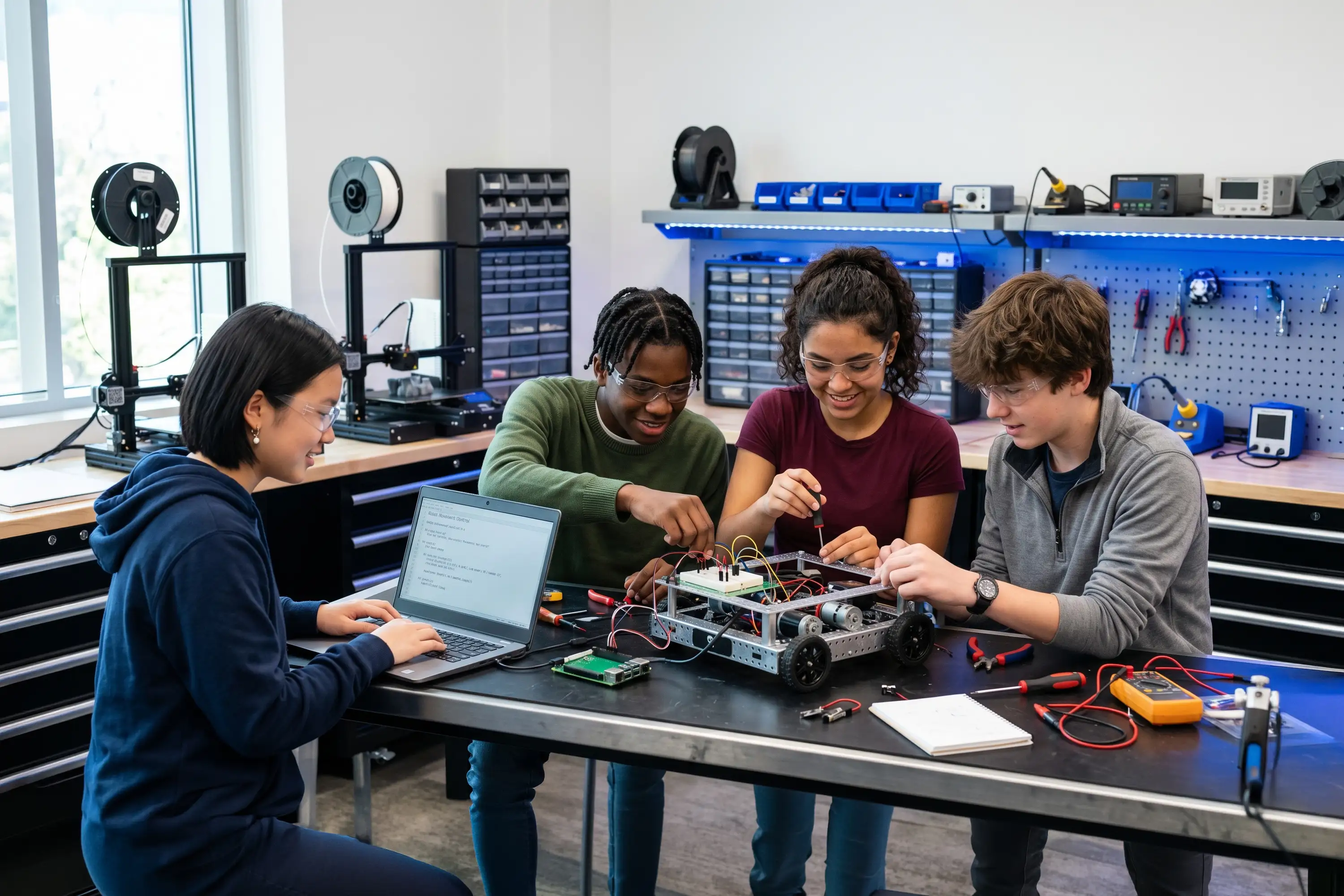
Practical exposure. Hands-on experience through placements in clinics, performance labs, or research environments plays a decisive role — and often converts directly into employment. This is why a significant percentage of specialized Sports Science graduates secure roles within six months: they combine academic learning with applied experience.
A Misconception Worth Addressing
Sports Science is not limited to athletes. It's relevant for anyone interested in:
- Healthcare and rehabilitation
- Human performance and physiology
- Data-driven movement analysis
- Mental performance and behavioral science
Sports Science today is a structured, global, and opportunity-rich field — but it demands clarity of specialization and real-world exposure. The question is no longer whether this field has scope. Now the question is: how strategically are you entering it?
If You're Considering a Sports Science Degree
...the specialization you pick and the placements you build around it matter more than the university name on the certificate. That's exactly what our events are for — real conversations with university reps and current students about which programs actually connect to clinics, labs, and research placements, not just a course list. See what's coming up.